
You already know the frustration of dry, brittle strands that just won't cooperate. Hair damage prevention works by shielding your hair from heat, UV rays, and harsh chemicals before they cause breakage. By using gentle washing techniques and protective treatments, you keep your locks strong, shiny, and resilient. It’s simply the most effective way to maintain healthy hair and skip the salon repair bills.
What Actually Causes Your Hair to Break and Fray
Hair breakage and fraying stem directly from a cycle of mechanical stress and moisture imbalance. When your hair’s protective cuticle lifts from rough towel drying, tight ponytails, or abrasive pillowcases, the exposed cortex weakens and snaps. Over-stripping natural oils with harsh shampoos or heat tools then leaves strands brittle, causing them to split and fray at the ends. Prevention hinges on protein-moisture balance: without enough moisture, hair becomes rigid and cracks; without protein, it stretches and snaps. Sleeping on a silk pillowcase dramatically reduces friction, while regular deep conditioning and low-heat styling rebuild the cuticle’s resilience, stopping breakage before it starts.
How Heat, Chemicals, and Mechanical Stress Weaken Strands
Heat, chemicals, and mechanical stress each assault the hair’s protective cuticle and inner cortex, causing irreversible weakening. High heat boils moisture within the strand, creating vapor bubbles that crack the hair shaft. Chemical processes like bleaching and perms break disulfide bonds that give hair its strength, leaving it spongy and prone to snap. Mechanical stress from tight elastics, rough brushing, or aggressive towel drying tears the cuticle scales apart. This cumulative damage is the root of **structural hair degradation**. Structural hair degradation makes strands brittle, leading to frayed ends and mid-shaft breaks.
Q: How do heat, chemicals, and mechanical stress specifically weaken hair strands?
A: Heat boils internal moisture causing cracks, chemicals break the hair's core protein bonds, and mechanical force tears the protective cuticle layer. Together, they strip the strand of its resilience, making it unable to withstand daily wear.
Why Your Scalp’s Health Determines Shaft Strength

A compromised scalp environment directly weakens the hair shaft before it even emerges. Inflammation or poor circulation at the follicle disrupts the delivery of essential keratin and lipids, resulting in a thinner, more brittle cuticle layer. This foundational defect makes the shaft highly susceptible to mechanical breakage and fraying. To prevent damage, prioritize scalp stimulation and pH balance over topical shaft treatments. Scalp-mediated keratinization is the true root of fiber resilience. What is the fastest way to test if my scalp is weakening my hair shafts? If you notice increased shedding or uniformly thinning strands with no split ends, your follicle output is compromised, indicating the scalp, not external friction, is the primary weakness.
How to Pick the Right Shampoo and Conditioner for Protection
You learned the hard way after bleaching your dark hair to ash blonde. Now, every wash feels like a gamble. To pick the right shampoo and conditioner for protection, you must first scan for hydrolyzed proteins like keratin or wheat—these patch https://thehairessence.com/ the broken bonds in your damaged cuticle, preventing further splitting. Next, sulfate-free surfactants are non-negotiable; they cleanse without stripping the fragile lipids that hold moisture in. Heeding the order matters, too: always apply conditioner from mid-lengths to ends to seal the cuticle before rinsing, locking protein into place. Avoid anything labeled "clarifying" or "volumizing" until your hair regains strength. Stick to a rich, creamy mask once a week to reinforce the protective layer against heat and friction damage.
Ingredients That Seal the Cuticle and Reduce Porosity
When selecting products for damage prevention, prioritize ingredients that seal the cuticle and reduce porosity. Silicones like dimethicone and amodimethicone form a temporary, smoothing film over the hair shaft, locking the cuticle flat and decreasing water absorption. Natural oils such as jojoba and argan oil mimic the hair’s own sebum, filling gaps in the cuticle layer to lower porosity. Hydrolyzed proteins (e.g., keratin or wheat protein) bond to damaged areas, reinforcing the cuticle’s structure and preventing moisture from escaping. These components work directly to create a smoother, less porous surface, reducing future breakage.
Why a Sulfate-Free Formula Keeps Natural Oils Intact
Sulfate-free formulas cleanse without stripping the scalp’s protective sebum layer because they rely on milder surfactants, such as sodium cocoyl isethionate, instead of harsh detergents like sodium lauryl sulfate. This gentle action prevents the removal of natural oils that normally shield hair cuticles from friction and dehydration. By preserving these lipids, the hair remains flexible and less prone to brittleness or breakage. A sulfate-free approach is therefore essential for maintaining the scalp’s oil barrier integrity, directly supporting damage prevention by avoiding unnecessary dryness and preserving the hair’s inherent moisture balance.
Heat Styling Safeguards That Minimize Thermal Damage
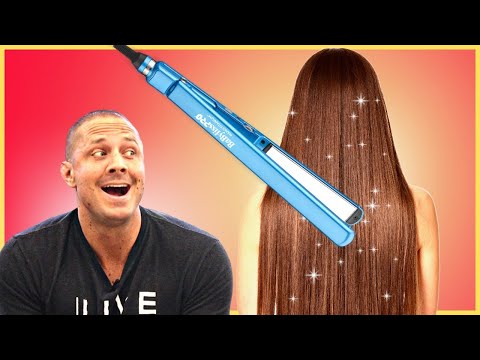
Effective heat styling safeguards prioritize using a thermal protectant spray or serum containing silicones or polymers, which forms a sacrificial barrier on the hair shaft to reduce moisture loss and protein denaturation. Optimal temperature control is the primary safeguard, requiring tools with adjustable settings; fine or damaged hair should never exceed 300°F (150°C), while coarse hair can tolerate up to 380°F (193°C). Always style on fully dry hair, as moisture trapped within the cortex vaporizes rapidly, causing bubble hair and irreversible fracture.
Limiting passes to a single, slow glide per section prevents cumulative heat stress that weakens disulfide bonds.Using a wide-tooth comb on wet hair before heat application reduces snagging, and ceramic or tourmaline plates provide even infrared heat distribution, eliminating hot spots that cause localized scorching and breakage.

Best Temperature Ranges for Different Hair Types
Fine or damaged hair requires the lowest heat, ideally between 250°F and 300°F, to prevent immediate breakage. Normal, medium-textured hair can withstand 300°F to 350°F for effective styling without excess stress. Coarse or thick hair needs higher temperatures, typically 350°F to 400°F, to alter the cuticle. Curly and textured hair should stay below 365°F to avoid moisture loss and frizz. Always use a heat protectant and start at the lowest effective temperature for your specific hair density to minimize cumulative thermal damage.
Fine hair: 250–300°F; Normal hair: 300–350°F; Thick/coarse hair: 350–400°F; Curly/textured hair: below 365°F.
How Heat Protectants Form a Barrier Against High Tools
Heat protectants form a physical and chemical barrier on the hair shaft, absorbing and distributing the intense heat from flat irons or curling wands before it can denature proteins. These formulas often contain silicones or polymers that create a sacrificial layer, which takes the brunt of the thermal impact. This protective coating prevents moisture from boiling out of the cortex, reducing brittleness and split ends. The barrier works by lowering the effective temperature transferred to the hair’s keratin structure.
- Silicones or polymers coat each strand to form a smooth, heat-dispersing film.
- The sacrificial layer absorbs thermal energy first, vaporizing instead of the hair’s natural moisture.
- This barrier helps seal the cuticle, preventing surface scorching and frizz from flash evaporation.
Nighttime Routines That Stop Friction and Snagging
A vital part of hair damage prevention lies in nighttime routines that stop friction and snagging. Before bed, switch to a satin or silk pillowcase, which allows strands to glide smoothly instead of catching on cotton fibers. Loosely braid your hair or twist it into a gentle pineapple bun, securing it with a soft scrunchie to prevent tangles from restless movement. Applying a lightweight leave-in conditioner or hair oil to the ends seals in moisture and reduces dryness that makes hair brittle overnight. These focused steps create a friction-free sleep environment, keeping your hair resilient and breakage at bay.
The Role of Silk Pillowcases and Loose Braids
Switching to a silk pillowcase reduces friction that causes hair breakage and split ends, unlike cotton which absorbs moisture and creates snagging. Loose braids work alongside this by keeping strands aligned and preventing tangles during sleep. Together, they form a protective nighttime routine for hair that minimizes mechanical damage without tugging or pulling.
- Silk pillowcases create a smooth surface that lets hair glide, reducing friction and snagging.
- Loose braids secure hair without tight tension, preventing tangles and breakage while sleeping.
- Combining both methods preserves moisture and limits split ends from nighttime movement.
- Loose braids keep hair contained, stopping it from rubbing against pillowcase seams or other fabrics.
Why Wet Hair Is More Vulnerable to Breakage at Bedtime
When you hit the pillow with wet hair, your strands are in their weakest, most elastic state. Water swells the hair shaft, lifting the cuticle and making it incredibly fragile. Every toss and turn creates constant friction against the cotton pillowcase, and this simple rubbing can snap hair fibers instantly. Because wet hair lacks its natural flexibility, the same movement that would be harmless when dry becomes a breaking point. sleeping on wet hair without protection is a direct route to split ends and frayed lengths because the moisture amplifies every snag and tangle.
Q: Why is wet hair so much more prone to breakage by bedtime?
A: Water temporarily breaks the hydrogen bonds within each strand, making hair stretchy and weak. Add the friction from a pillow, and you’re basically pulling apart an already fragile structure, which leads to sudden snaps.

Nutrition and Hydration Habits That Fortify Each Strand
The morning sun catches the split ends before you do, a silent testament to nights spent neglecting the water glass. Fortifying each strand against such damage begins with a ritual: a palmful of pumpkin seeds, rich in zinc, chewed slowly after your lunchtime salad of spinach and grilled salmon. This deliberate intake of protein and iron rebuilds the hair’s cortex from within, while a constant stream of hydration at every meal ensures the cuticle lies flat and sealed. You learn that coffee’s bitter diuretic effect can silently undermine these keratin-strengthening efforts, so you counter each cup with an equal measure of still water. Finally, a single Brazil nut before bed delivers selenium, a final, quiet warrior that prevents oxidative brittleness overnight.
Which Vitamins and Minerals Boost Keratin Production
To fortify each strand against damage, you must directly fuel keratin synthesis with specific nutrients. Biotin is critical for keratin production, as it metabolizes amino acids into structural proteins. Zinc acts as a catalyst for keratinocyte division, while Vitamin A boosts cell turnover to embed keratin. Additionally, sulfur from MSM is integral to keratin’s strong disulfide bonds, and Vitamin C stabilizes the collagen network anchoring keratin. For a clear protocol:
- Consume biotin-rich eggs and nuts daily.
- Pair zinc sources like oysters with Vitamin C from citrus to maximize absorption.
- Include sulfur via leafy greens or a pure MSM supplement.
How Drinking Enough Water Affects Elasticity and Shine
Adequate hydration directly fortifies each strand by maintaining the hair fiber’s internal moisture balance. When water intake is sufficient, the cortex remains plump, which prevents brittleness and preserves natural elasticity, allowing strands to stretch and return without snapping. Dehydration causes the cuticle to lift and crack, scattering light rather than reflecting it uniformly; this dullness is reversed when internal water pressure smooths the outer layer. Consequently, hydration-driven elasticity reduces breakage from daily manipulation while optimizing light refraction for a consistent, glossy shine.
Brushing and Detangling Techniques to Avoid Unnecessary Stress
To prevent breakage, start detangling from the ends, working upward in small sections. Always use a wide-tooth comb or a brush with flexible, rounded bristles on damp, conditioned hair, never when dry and brittle. Brushing and detangling techniques to avoid unnecessary stress include holding the section of hair beneath the brush to cushion the root, preventing traction alopecia. For stubborn knots, apply a slip-rich leave-in conditioner or oil before gently working them apart with your fingers. Rushing through tangles or yanking a brush from root to tip creates severe hair damage prevention failures, leading to split ends and snapped strands.
When to Use a Wide-Tooth Comb Versus a Boar Bristle Brush
To prevent breakage, reserve a wide-tooth comb exclusively for wet or damp hair, as its spaced teeth glide through knots without snapping weakened strands. Use a boar bristle brush only on completely dry hair to distribute natural oils from root to tip, avoiding tugging on wet elasticity. For curly or textured hair, limit the brush to gentle, tension-free smoothing on dry styles like buns or twists. Q: Can I use a boar bristle brush on damp hair? No, the dense bristles catch and stretch wet strands, leading to breakage; always detangle damp hair with a wide-tooth comb first.
Why Starting from the Ends Prevents Tension at the Root
Starting from the ends is like gently inviting tangles to unravel instead of yanking them out by force. When you begin detangling at the roots, you risk grabbing a knot and pulling it straight down, which creates direct strain on the hair follicle and scalp. By working from the bottom up, you isolate the tangles first, allowing each small section to loosen without transferring that pulling force to the root. This method significantly reduces tension-induced stress on the follicle, protecting the hair from breakage at the scalp.
- Less tugging on the roots means fewer pulled-out strands and less follicle irritation.
- Isolating knots near the ends prevents them from tightening into larger, more stubborn tangles toward the top.
- Gradual detangling lets the natural slip of conditioner or oil work more effectively, so you don’t have to force through snarls.